Adult Pet Wellness

Regular adult pet wellness exams at Erin Mills Pet Hospital help detect hidden diseases early, improving your pet’s health and longevity. We provide comprehensive diagnostics, vaccinations, and preventive care tailored to your pet’s needs.

Adult Pet Wellness in Mississauga, ON

From physical assessments to diagnostic workups, we ensure your pet stays healthy. Adult pets benefit from baseline exams to monitor changes and maintain optimal well-being.

Importance of Annual Diagnostic and Wellness Checkups

Bringing your pet in for an annual diagnostic and wellness checkup can help reassure you that your dog or cat is healthy or help us detect hidden diseases or conditions early. Early detection improves prognosis, reduces medical costs, and helps your pet live a longer, healthier life. Many pets are adept at hiding signs of illness, so subtle changes in health or behavior may be easy to overlook. Additionally, some pets may not show symptoms depending on the disease.

Dogs and cats age far more quickly than humans, making regular exams essential. As pets age, risks for conditions such as arthritis, cancer, diabetes, heart disease, hormone disorders, and kidney and liver problems all increase. During your pet’s wellness exam, we will perform a comprehensive physical assessment, checking your pet from nose to tail. Vaccinations, preventives, and a diagnostic workup—including blood, fecal, and urine tests—may be recommended to identify any underlying issues. Additionally, senior pets may benefit from a baseline exam and regular checkups to monitor changes over time.
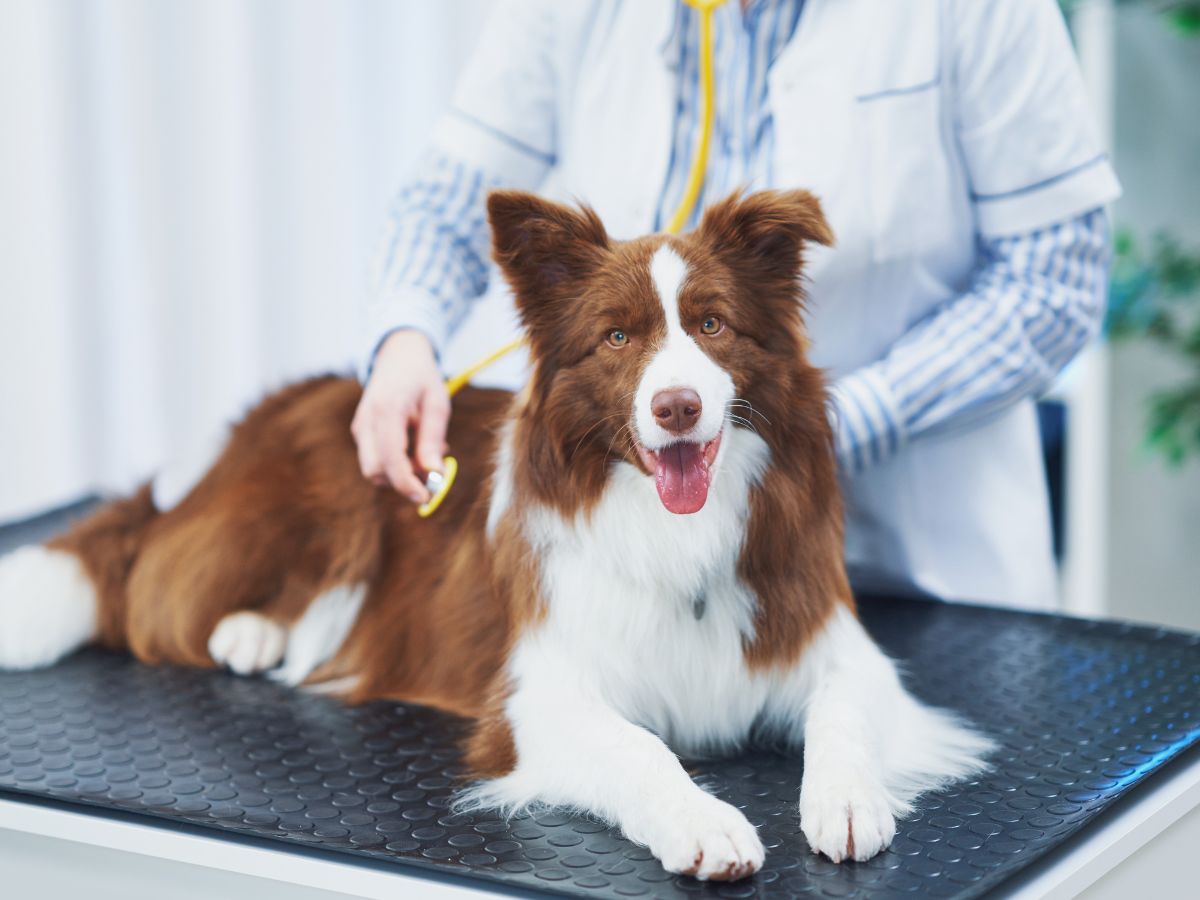
Border Collie dog during a visit to the vet

Your Role in Your Pet’s Health

Because you spend the most time with your pet, you are their expert and greatest advocate. Please let us know if you’ve noticed any physical or behavioral changes or other concerns you may have. Whether your pet is young or nearing their senior years, regular wellness exams are essential to ensuring their long-term health and well-being.

Call us today to schedule your pet’s exam! If you have any questions, we’d be happy to discuss our adult wellness program in more detail.

Frequently Asked Questions About Adult Pet Wellness

If my pet looks completely healthy, why do they still need an annual exam?
Pets are instinctually driven to hide pain and illness until a condition is quite advanced. Furthermore, because dogs and cats age roughly five to seven times faster than humans, an annual checkup is equivalent to a human seeing the doctor once every five to seven years. Routine exams allow us to establish health baselines and catch hidden medical issues—like early kidney disease, heart murmurs, or arthritis—before your pet shows obvious symptoms.
What exactly does the veterinarian evaluate during a routine wellness exam?
A wellness exam is a comprehensive, nose-to-tail physical assessment. We check your pet’s eyes for cataracts, examine their ears for deep infections, and grade their dental health for tartar and gum disease. We also listen to their heart and lungs, palpate their abdomen to check their internal organs for changes in size or shape, evaluate their body condition weight, and check their joints for early signs of stiffness or arthritis.
Which vaccinations does my adult pet need every year?
Not all vaccines are given annually; many modern core vaccines provide protection for up to three years after the initial booster series. At your pet’s annual visit, our Mississauga team will review their lifestyle and provide a customized vaccine schedule. This ensures they remain fully protected against core threats like Rabies and Distemper, as well as high-risk local lifestyle threats like Leptospirosis, Lyme disease, or Bordetella (kennel cough).
Why do you recommend routine blood and urine tests for healthy adult pets?
Physical exams only tell us what is happening on the outside. Baseline diagnostic screening—including blood chemistry profiles and a urinalysis—gives us a window into your pet’s internal organ function. It measures exact biomarkers for the liver, kidneys, and blood sugar levels. Having these records from when your pet is healthy makes it much easier to detect subtle, abnormal trends if they ever fall ill.
At what age does an adult pet officially transition into a "senior" pet?
Generally, cats and small-to-medium dog breeds are considered seniors around 7 years of age. Giant dog breeds (like Great Danes or Mastiffs) age more rapidly and reach their senior years around 5 or 6 years old. Once your pet hits the senior milestone, we recommend moving to bi-annual (twice yearly) wellness assessments to keep a closer eye on age-related health changes.