
Kitten Wellness

Ensure your kitten’s health with our comprehensive wellness program at Erin Mills Pet Hospital in Mississauga. From vaccinations to parasite prevention, we provide expert care for your growing feline companion.

Kitten Wellness in Mississauga, ON

Congratulations on your new kitten! As you welcome your new family member into your home, let our comprehensive puppy wellness program help set them up for a lifetime of great health.

Comprehensive Kitten Wellness Care

Our kitten wellness program is designed to set your kitten on the path to a long and healthy life. The first few months are critical to your kitten’s development, and we provide the tools and support to help them grow into a healthy, well-behaved cat. This includes guidance on nutrition, litterbox training, and behavior.

Schedule your kitten’s first exam as soon as possible. Until they complete their vaccine series, kittens are vulnerable to preventable diseases. We’ll ensure your kitten is protected against rabies and panleukopenia (distemper). Based on their risk, we may also recommend vaccines for feline leukemia virus (FeLV) and feline immunodeficiency virus (FIV). Additionally, your kitten will need testing and treatment for parasites, which are common in young cats.
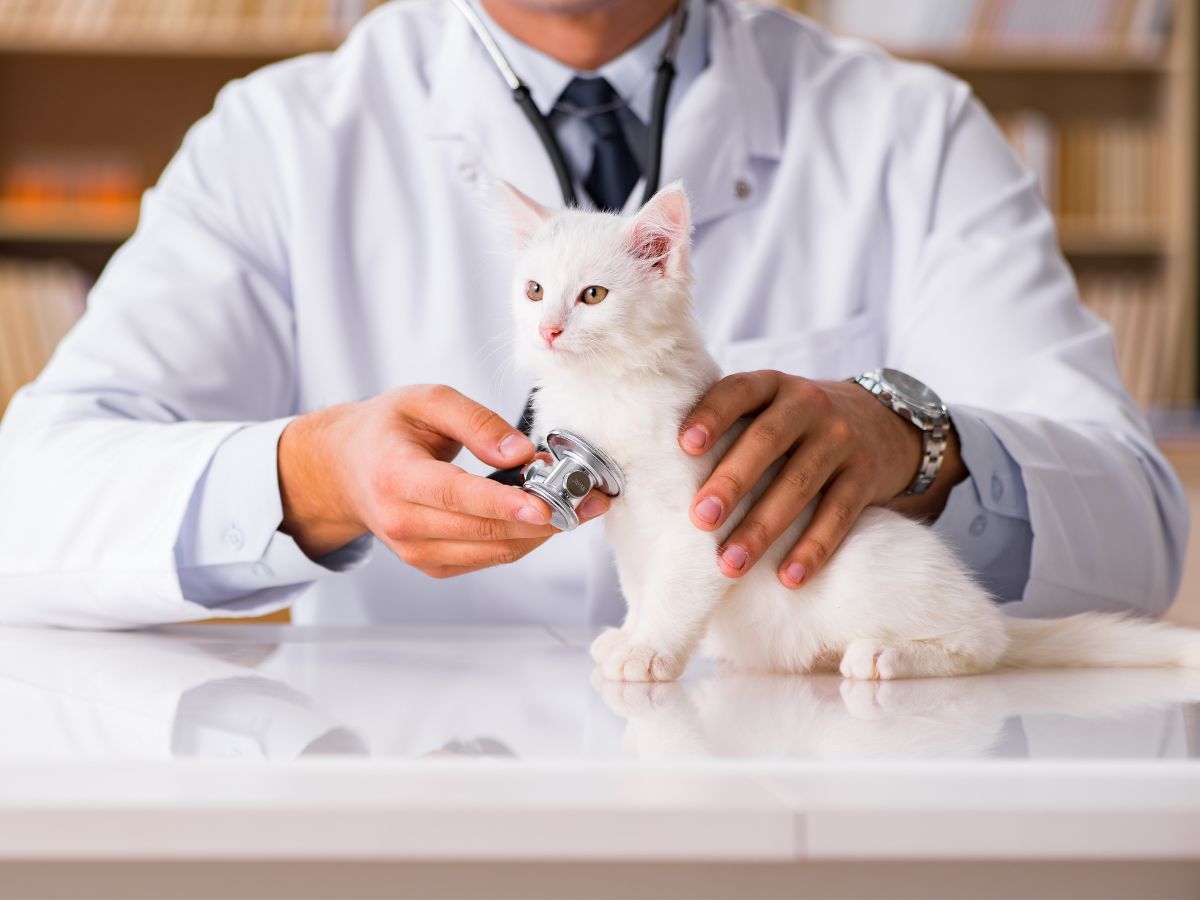
vet checking a kitten

Protecting Your Kitten and Family from Parasites

Many kittens have roundworms, a common intestinal parasite that can cause symptoms like coughing, weight loss, and a potbellied appearance—or none at all. Treating your kitten for roundworms is essential to eliminate the infection and protect your family. Roundworms are zoonotic, meaning they can transfer from pets to humans. By ensuring proper treatment for your kitten, you can safeguard your entire household from these and other parasites.

We look forward to meeting your new kitten! Schedule your appointment today.

Frequently Asked Questions About Kitten Wellness & Care

When should my new kitten visit the vet for their first exam?
We recommend scheduling your kitten’s first wellness assessment within a few days of bringing them home, typically around 8 weeks of age. This initial visit allows our veterinarians to perform a head-to-tail physical exam, check for congenital abnormalities, screen for common external parasites like ear mites or fleas, and start their tailored vaccination protocol.
What vaccines do kittens need, and what is the schedule?
Kittens require a series of booster injections spaced 3 to 4 weeks apart to build strong, lasting immunity. Starting at 6 to 8 weeks old, they receive the FVRCP combination vaccine (protecting against Feline Viral Rhinotracheitis, Calicivirus, and Panleukopenia). Boosters are repeated at 12 and 16 weeks, alongside the mandatory Rabies vaccine. Depending on their lifestyle, we may also recommend vaccinating against Feline Leukemia Virus (FeLV).
Why do kittens need multiple rounds of deworming treatment?
Intestinal parasites like roundworms are incredibly common in kittens, often passed directly from the mother. Deworming medications are highly effective but only eliminate adult worms, not the migrating larvae or unhatched eggs. Administering multiple treatments over several weeks ensures we catch the parasites at every stage of their life cycle, protecting your growing kitten and preventing zoonotic transmission to human family members.
Why is it important to test my new kitten for FeLV and FIV?
Feline Leukemia Virus (FeLV) and Feline Immunodeficiency Virus (FIV) are highly contagious viruses that can severely suppress a cat’s immune system. Because kittens can contract these conditions from their mother or littermates before you adopt them, a quick blood test at our Mississauga clinic is highly recommended. Knowing their status early helps us customize their lifetime healthcare and preventative plan.
When is the right time to transition my kitten to adult cat food?
Kittens grow rapidly and require calorie-dense food packed with specific proteins and nutrients to support their developing bones and muscles. You should keep them on a high-quality, dedicated kitten formula until they reach full skeletal maturity, which is typically around 12 months of age. At that point, you can safely transition them over to a balanced adult maintenance diet.