Pet Microchip Identification in Mississauga, ON
Ensuring your pet’s safety is our top priority, and one of the most effective ways to help your furry friend get back home in the event of separation or loss is through microchip identification. At Erin Mills Pet Hospital, we provide professional pet microchipping services to ensure your pet has the best chance of returning home safely.
How Does Pet Microchipping Work?
Microchipping is a simple yet permanent method of identifying your pet. A microchip, about the size and shape of a grain of rice, is placed just beneath the skin at the back of your pet’s neck. The process is quick, safe, and generally painless, requiring only a small injection by a veterinarian or veterinary technician. Once implanted, the microchip is registered with a unique identification number linked to your contact information.
When a pet without an ID tag is found, a veterinarian or animal shelter will use a handheld microchip scanner to check for a chip. If a microchip is present, it transmits a low-frequency radio wave, allowing the veterinary facility to access the owner’s contact details. The facility will then contact you directly to reunite you with your pet.
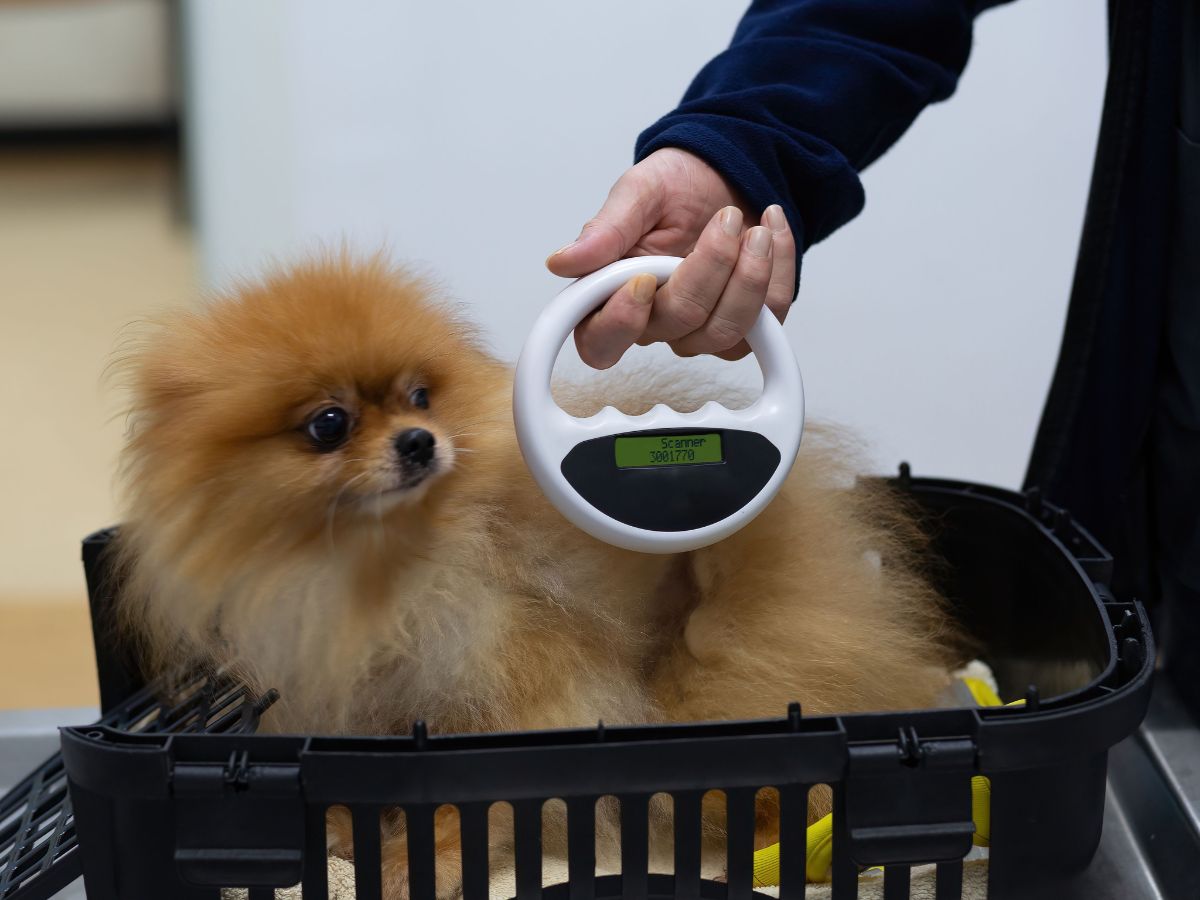
The Benefits of Pet Microchip Identification:
- Permanent Identification: Unlike collars and ID tags, which can be lost or removed, a microchip provides a permanent identification solution. Even if your pet’s collar is removed or falls off, the microchip will remain in place, offering a secure form of identification.
- Increased Chance of Reunification: Pets without microchips are at a higher risk of being adopted or euthanized in shelters. With a microchip, your pet is more likely to be identified quickly, giving you the best chance of a safe return.
- Comprehensive Care: At Erin Mills Pet Hospital, we ensure your pet’s microchip is properly placed and registered. We also provide guidance on keeping your pet’s contact information up-to-date in the chip’s database.
Situations Where Microchipping is Recommended
For even the most responsible pet owners, it is impossible to fully ensure that your pet never becomes lost. For instance, a leash may break, a pet might push through an open door, or an accidental oversight could lead to your pet wandering away. In these cases, a microchip provides a secure and reliable way to reunite with your beloved companion.
Additionally, microchipping isn’t limited to dogs and cats. We offer microchipping services for ferrets, rabbits, birds, and other small companion animals, ensuring a wide range of pets are protected.
Preparation for Lost Pets
At Erin Mills Pet Hospital, we believe in proactive measures to keep your pet safe. While we hope your pet never becomes lost, having a microchip gives you peace of mind, knowing that your furry friend has a reliable identification method. In the event of separation, quick action is essential, and a microchip makes this possible.
Contact us today to schedule an appointment for your pet’s microchip identification. Together, we can ensure that your pet is safeguarded with the best possible means of identification.