Pet Neutering

Neutering your pet at Erin Mills Pet Hospital enhances health, prevents diseases, and curbs unwanted behaviours like roaming and spraying.

Pet Neutering in Mississauga, ON

Our safe neutering procedures ensure your pet’s comfort and safety. Call Erin Mills Pet Hospital to schedule today!

Why Neuter Your Pet?

Neutering your pet helps improve his health and quality of life. It reduces the risk of prostate and testicular cancer and prevents sexually transmitted diseases. Neutering also helps eliminate undesirable behaviours such as roaming, fighting, spraying, and humping. Additionally, it helps control pet overpopulation, reducing the number of animals in shelters.
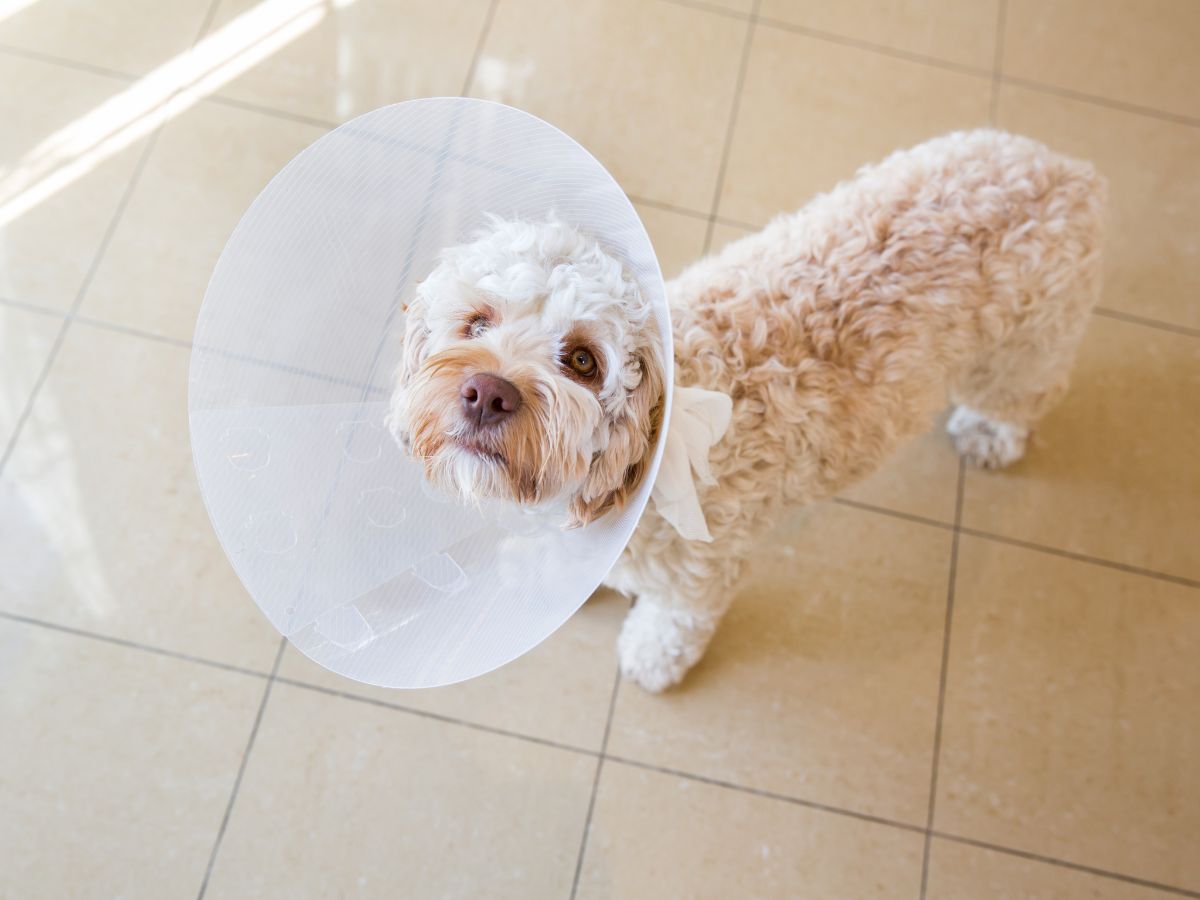
dog in a cone collar

Safe Neutering Procedures

Neutering, a surgical procedure to remove the testicles, requires anesthesia for your pet’s comfort. At our clinic, we adhere to strict safety protocols and closely monitor your pet’s vital signs throughout the procedure. For more information on our safety measures, see our Anesthesia and Patient Monitoring descriptions.

To schedule your pet’s neutering or discuss the procedure, contact us today!

Frequently Asked Questions About Pet Neutering

What is the difference between spaying and neutering?
While both are routine sterilization surgeries, “neutering” (or castration) refers specifically to the surgical removal of the testicles in male pets. “Spaying” refers to the surgical removal of the ovaries and uterus in female pets. Both procedures permanently prevent reproduction and provide significant health and behavioral benefits.
When is the best age to neuter my dog or cat?
For male cats, neutering is generally recommended around 5 to 6 months of age, ideally before they develop the habit of spraying urine to mark territory. For male dogs, the timing depends on their adult size. Small to medium dog breeds are usually neutered between 6 to 9 months of age. Large or giant breeds may benefit from waiting until they are 12 to 18 months old to allow their bones, joints, and growth plates to fully mature.
What symptoms or changes in the neuter incision should I watch out for?
You should examine the surgical site daily. Please contact Erin Mills Pet Hospital if you observe any green or yellow oozing discharge, open gaps in the skin, significant bruising that spreads, a foul smell, or an incision that feels excessively hot or swollen to the touch.
Will neutering fix unwanted behavioral issues like roaming, mounting, or marking?
Yes, significantly. Neutering removes the primary source of testosterone, which drives instinctual male behaviors. It reduces or eliminates the urge to roam away from home in search of a mate, curbs aggressive territory-marking behaviors (like spraying urine indoors), and drastically decreases frustrating mounting behavior and testosterone-fueled fighting with other animals.
What are the medical and health benefits of neutering a male pet?
Neutering provides excellent long-term health benefits for your pet. It completely eliminates the risk of testicular cancer, which is common in older unneutered dogs. It also significantly lowers the risk of non-cancerous prostate enlargement (benign prostatic hyperplasia) and painful prostate infections, helping your pet live a longer, more comfortable life.