
Pet Radiology in Mississauga, ON
Our digital radiology technology provides faster results with less radiation exposure, enabling us to diagnose and treat your pet more quickly and with a greater focus on their safety.
Diagnosing Your Pet with X-Rays
X-rays are a vital diagnostic tool we use to identify issues, rule out potential problems, or pinpoint possible causes. They are also part of our wellness exams to detect underlying conditions before they escalate. X-rays provide essential insights into your pet’s bones, gastrointestinal tract, respiratory system, heart, and genitourinary system. Interpreting these images requires expert veterinary skills, ensuring accurate diagnosis and treatment.
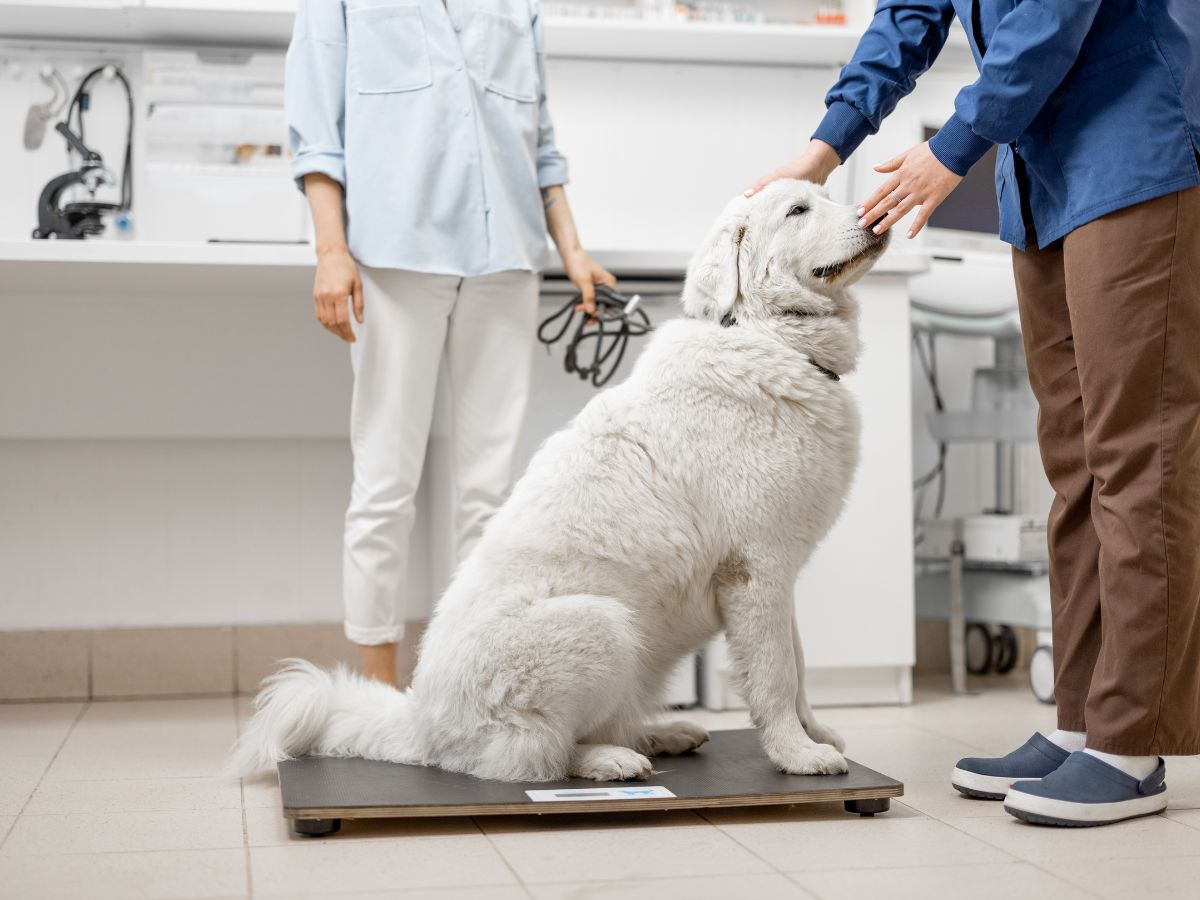
Benefits of Digital Radiology
Our hospital offers advanced digital radiology for quicker and more efficient diagnoses. This cutting-edge technology reduces radiation exposure compared to traditional X-rays. To obtain clear images, pets must remain still during the procedure, and sedation or short-acting general anesthesia may be necessary. If you have questions about our radiology services or your pet’s upcoming procedure, our team is here to assist you.
Frequently Asked Questions About Pet Radiology & X-Rays
Are digital X-rays safe for my dog or cat?
Yes, perfectly safe. Our clinic uses state-of-the-art digital radiology, which requires significantly lower doses of radiation compared to traditional film X-rays. Because the images generate instantly on a computer screen, the entire process takes only a few minutes, minimizing your pet’s exposure while keeping them entirely safe.
Why do pets sometimes need sedation or anesthesia for an X-ray?
To get a perfectly clear, diagnostic image, a pet must remain completely still for a few seconds. If a pet is anxious, wriggly, or experiencing pain from an injury like a broken bone or arthritis, holding them in position can be stressful and painful. A mild, short-acting sedative keeps them calm and comfortable, prevents blurry images, and helps us get an accurate diagnosis on the first try.
What hidden health conditions can an X-ray detect in my pet?
Radiology is incredibly versatile. Beyond identifying broken bones and joint issues like hip dysplasia, X-rays allow our veterinarians to evaluate the size and shape of the heart, inspect the lungs for fluid or pneumonia, locate swallowed foreign objects in the stomach or intestines, and spot bladder stones or abnormal internal masses.
How long does it take to get the results of my pet's X-rays?
Because our system is completely digital, the images appear on our medical monitors within seconds of being taken. Your veterinarian will be able to review the radiographs and discuss the initial findings with you during your appointment. In complex cases, we can also instantly transmit the digital files to a board-certified veterinary radiologist for an expert second opinion.
Can I stay in the room with my pet while they get an X-ray?
For health and safety regulations set by radiation safety boards, owners are not permitted in the radiology suite during active exposures. Our highly trained veterinary technicians wear specialized protective lead gowns and badges to safely handle and comfort your pet, ensuring they feel secure and cared for throughout the entire quick procedure.