
Pet Skin and Ear Care in Mississauga, ON

At Erin Mills Pet Hospital, we are a full-service general practice and provide comprehensive care for common skin, ear, and coat conditions in dogs and cats. Skin health is an important part of your pet’s overall well-being, and our team is experienced in diagnosing and managing a wide range of skin and ear related concerns.

Skin & Ear Care in Mississauga, ON

We manage most skin and ear conditions in-house, from identifying underlying causes to providing effective treatment plans. Our goal is to keep your pet comfortable, reduce irritation, and support long-term skin health.

If your pet requires more specialized care, we can refer you to a board-certified veterinary dermatologist for advanced diagnostics and treatment.

Common Skin Conditions in Pets

Skin issues are common and can be caused by allergies, infections (bacterial or fungal), parasites such as fleas or mites, or underlying medical conditions. These may present as itching, redness, hair loss, ear infections, or changes in the skin and coat.

Early evaluation is important to prevent these conditions from worsening and causing further discomfort.
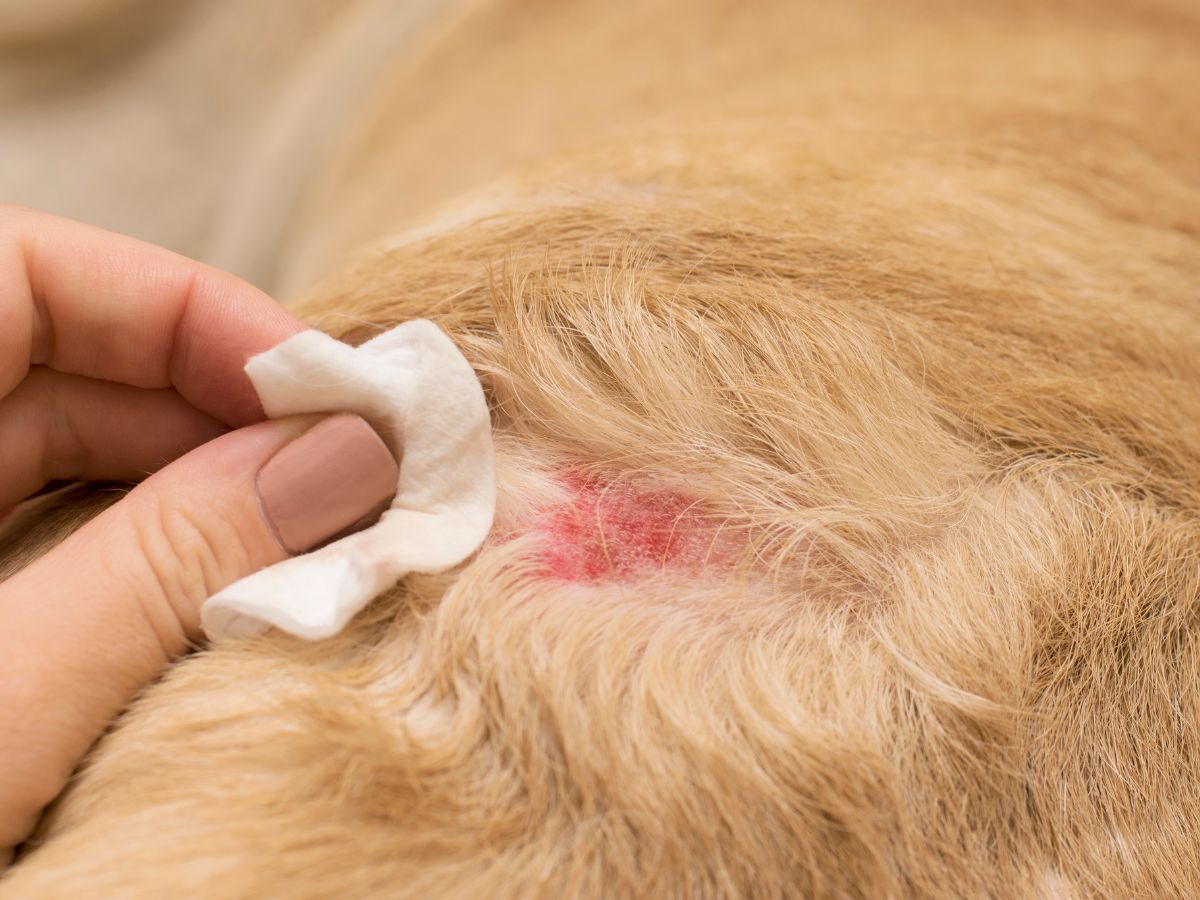
Dermatological allergy in dog

Diagnosing and Treating Skin Issues

Many skin conditions can be diagnosed through a physical exam, and when needed, we perform additional diagnostics in-house such as skin tests, cytology, blood work, or other assessments to better understand the root cause.

Based on your pet’s needs, we provide treatment for allergies, infections, ear conditions, and parasite-related issues, along with guidance for managing chronic skin conditions.

When to Seek Help

If your pet is scratching excessively, shaking their head, developing redness, scabs, hair loss, or ear discharge, it’s a good time to have them assessed.

Our team is here to help manage your pet’s skin and ear health, and we will guide you through next steps, including referral to a specialist if needed.

Frequently Asked Questions About Pet Skin & Ear Care

Why are skin allergies and ear infections so closely linked in dogs and cats?
The ear canal is lined with skin, just like the rest of your pet’s body. When an environmental allergy or food sensitivity triggers inflammation and itching across the skin, it also affects the lining of the ears. This swelling traps moisture and warmth inside the ear canal, creating an environment where bacteria and yeast can thrive and multiply quickly.
How do you determine the exact cause of my pet's itchy skin or ear issue?
Because different skin problems can look identical on the surface, we use targeted in-house diagnostics to find the root cause. This often includes ear and skin cytology (swabbing cells to look under a microscope for yeast or bacteria), skin scrapings to rule out microscopic mites, or blood work to evaluate underlying hormonal imbalances.
Why does my pet keep getting chronic, recurring ear infections?
Chronic ear infections are almost always a symptom of an unresolved underlying issue—most commonly environmental or food allergies. If we only treat the immediate ear infection with drops without addressing the primary allergy or structural root cause, the inflammation will keep returning. Our team focuses on long-term management to break this cycle.
Can I use human over-the-counter creams or ear drops on my pet?
You should never use human skin or ear medications on your pet unless explicitly directed by a veterinarian. Many human products contain ingredients that are highly toxic to dogs and cats if swallowed or licked off. Furthermore, putting drops into an ear without verifying that the eardrum is completely intact can lead to permanent hearing loss.
What are the common signs that my pet needs to see a vet for a dermatological exam?
Schedule an appointment if you notice your pet constantly shaking their head, scratching their ears, or licking their paws. Other clear warning signs include red or inflamed skin, patchy hair loss, uncharacteristic bad odors coming from the coat or ears, thick discharge, or the development of oozing “hot spots.”