Pet Spaying in Mississauga, ON
Our experienced veterinary team ensures your pet’s safety during the procedure, with strict protocols for anesthesia and patient monitoring. Schedule your pet’s spaying appointment today!
Benefits of Spaying Your Pet
Spaying your pet has many benefits. This procedure prevents female animals from reproducing and can help your dog or cat live a longer, healthier life. It does not alter your pet’s personality. Spaying protects against potentially deadly diseases such as bacterial infections, reproductive tract diseases, and various types of cancer. Additionally, it eliminates the mess and discomfort associated with the heat cycle in female dogs and the distress seen in female cats during their heat period. Spaying also helps control the overpopulation of dogs and cats, reducing the number of animals in shelters.
Spaying Procedure and Safety
Spaying involves the surgical removal of the ovaries and uterus, which requires your pet to be under anesthesia. We follow strict protocols and continuously monitor your pet’s vital signs to ensure her safety throughout the procedure. Please see our Anesthesia and Patient Monitoring sections for more details on how we prioritize your pet’s well-being. If you’d like to schedule an appointment or have questions about spaying your pet, feel free to call or visit our clinic. We are here to help guide you through the decision-making process.
Frequently Asked Questions About Pet Spaying
At what age should I have my dog or cat spayed?
For cats, we generally recommend spaying before their first heat cycle, usually around 5 to 6 months of age. For dogs, the ideal timing depends heavily on their breed and expected adult size. Small to medium-sized dog breeds are typically spayed between 6 to 9 months of age, while large or giant dog breeds may benefit from waiting until they are 12 to 18 months old to allow their growth plates to fully close. Our veterinary team will create a personalized timeline for your pet.
When can my pet return to normal, high-energy activity after surgery?
Pets must be kept strictly quiet and calm for 10 to 14 days following surgery. This means absolutely no running, jumping on or off furniture, rough playing, or climbing stairs. Activity must be restricted to short, leashed bathroom walks until our veterinary team performs a post-operative check and officially gives the all-clear for normal exercise.
What specific signs should make me worry about my pet's surgical incision?
You should check the incision line twice daily. Contact our clinic immediately if you notice any active bleeding, thick yellowish or green discharge, a foul odor, extreme redness, localized heat, or any significant swelling/gapping between the skin edges, which could indicate an infection or tissue irritation.
Will spaying alter my pet's personality or cause them to gain weight?
No, spaying will not change your pet’s core personality, intelligence, or affection levels. It does remove hormones that trigger instinctual behaviors, meaning it stops female cats from crying loudly or trying to escape while in heat, and reduces territorial roaming behaviors. Because their metabolism may slow down slightly after surgery, you can easily prevent weight gain by managing their portion sizes and ensuring regular exercise once they are fully healed.
What major health conditions does spaying protect my pet against?
Spaying provides significant long-term health benefits. It drastically reduces the risk of uterine and ovarian cancers, and when performed before their first heat cycle, virtually eliminates the risk of malignant mammary (breast) tumors. Additionally, spaying permanently protects your pet from pyometra—a sudden, severe, and life-threatening bacterial infection of the uterus that requires emergency surgery.
Why does my pet need to wear a recovery cone or suit after surgery?
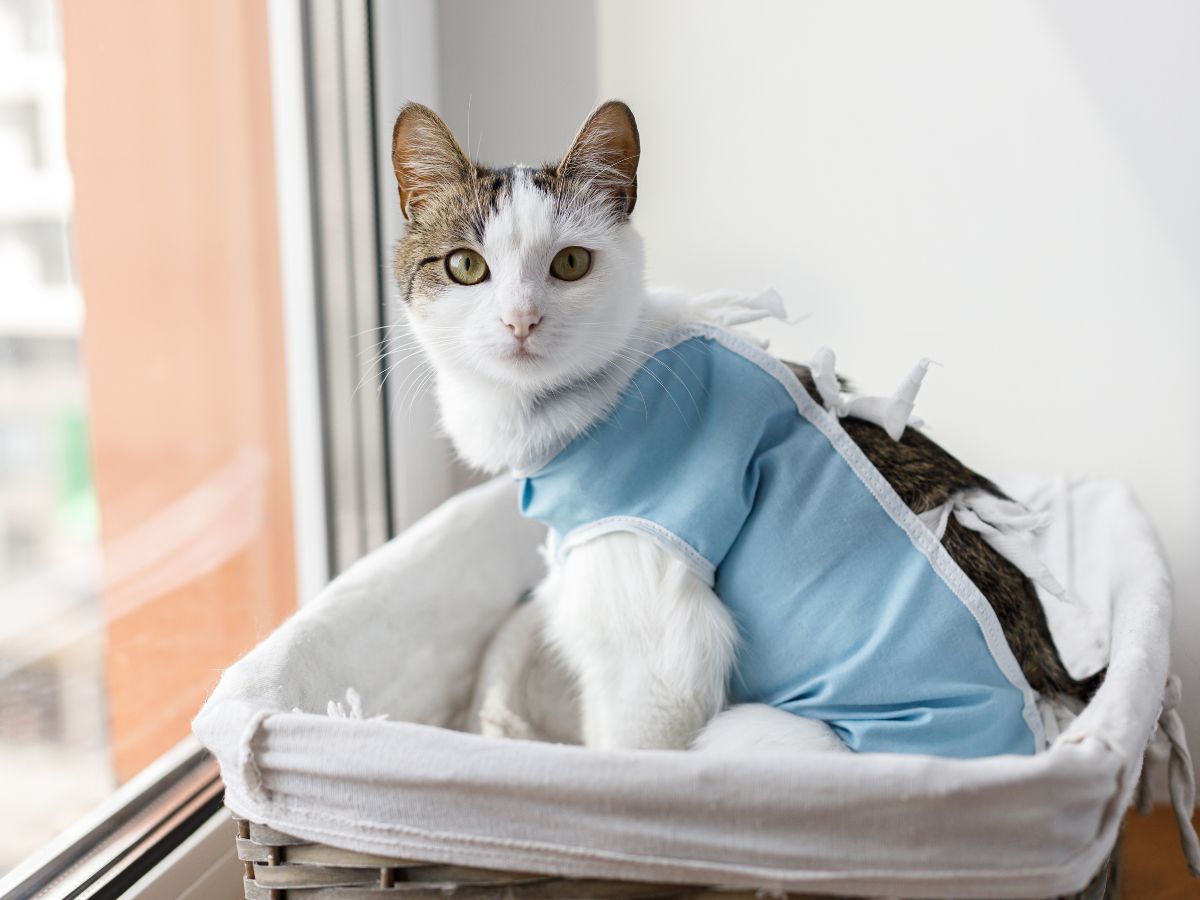
Pets naturally use their tongues to clean wounds, but a dog or cat’s saliva is full of bacteria that can easily cause a serious incision infection or tear open their surgical stitches. Your pet must wear an Elizabethan collar (recovery cone) or a specialized surgical recovery suit for the full 10 to 14 days following surgery anytime they are not actively supervised.