
Pet Tick Prevention

Preventing ticks from attaching to your pet is the most effective way to avoid the illnesses they carry. At Erin Mills Pet Hospital, we provide comprehensive pet tick prevention in Mississauga, ON, tailored to the unique needs of your dog or cat.

Pet Tick Prevention in Mississauga, ON

Ticks are becoming increasingly common across North America, and they are now frequently found in areas previously considered low risk, including backyards in Mississauga. These parasites pose a significant threat to pets, as they can transmit dangerous diseases such as Lyme disease, Rocky Mountain spotted fever, babesiosis, ehrlichiosis, and tick paralysis. If your pet shows symptoms like coughing, joint pain, fever, weakness, or a loss of appetite, energy, or coordination, it is crucial to seek veterinary care immediately.

Importance of Pet Tick Prevention

Tick preventives are highly effective and safe, offering protection even for indoor-only pets. Ticks can enter homes by clinging to clothing or shoes, meaning pets that rarely go outside are not entirely risk-free.

Tick preventives come in a variety of forms, including topical treatments, collars, and oral medications. These products work to repel or kill ticks before they have a chance to transmit diseases, ensuring your pet remains safe. Our veterinary team can recommend the best preventive method for your pet based on their lifestyle and health.
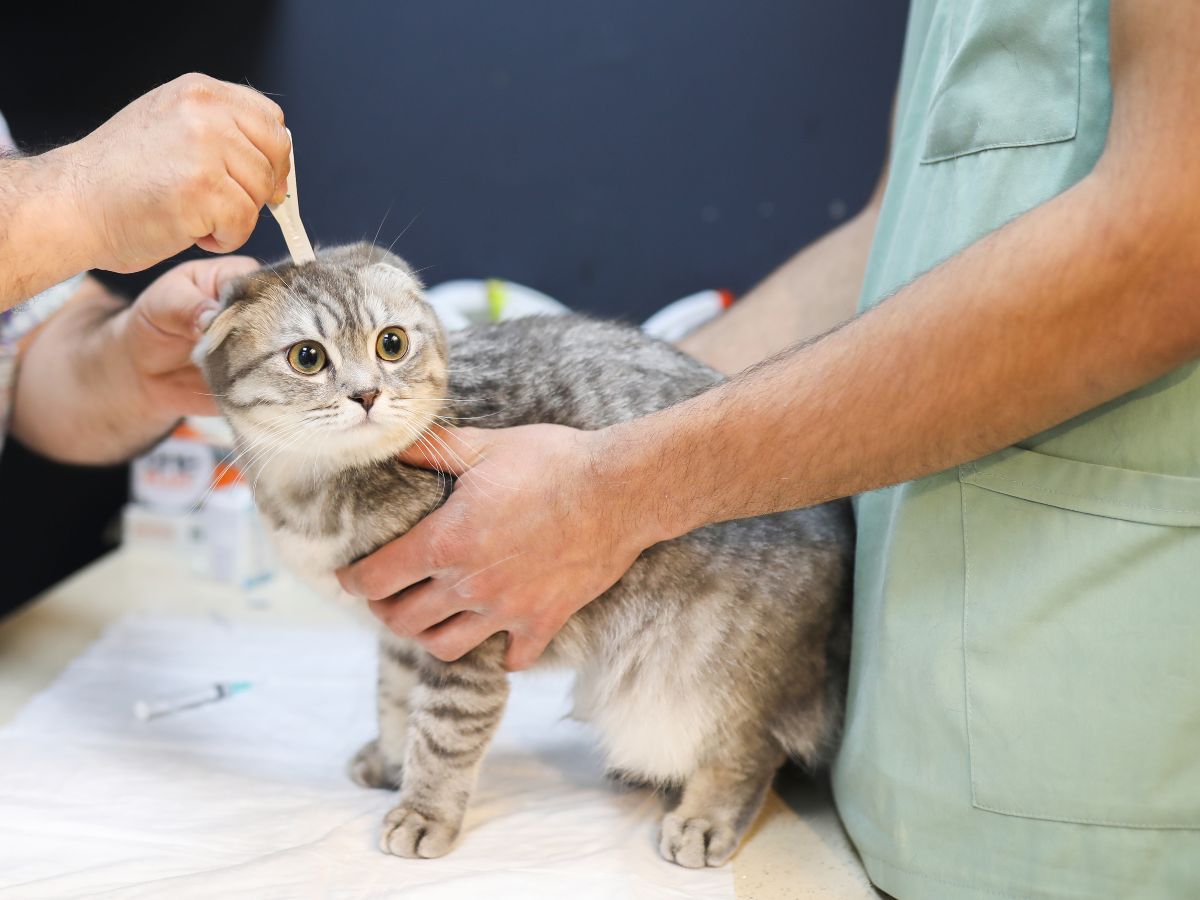
vet focusing on tick prevention to cat

What to Do If You Find a Tick on Your Pet

Even with preventive measures in place, it’s possible for ticks to come into contact with your pet. Many preventives work by killing ticks after they latch on, which means you may still spot a tick before it dies. Regularly checking your pet’s fur, especially after they’ve been outdoors, provides an added layer of protection. If you find a tick, don’t panic. Contact our clinic for guidance on proper tick removal and to address any concerns.

Comprehensive Tick Protection for Your Pet

At Erin Mills Pet Hospital, we are dedicated to providing reliable solutions for pet tick prevention in Mississauga, ON. By keeping your pet on a consistent preventive regimen and staying vigilant, you can significantly reduce the risk of tick-borne diseases.

If you have questions about tick prevention or need assistance selecting the right product for your pet, please reach out to us. Together, we can protect your pet’s health and well-being year-round.

Frequently Asked Questions About Pet Tick Prevention

Are Ticks a serious problem in the Mississauga area?
Yes. Over the last several years, tick populations (especially Blacklegged ticks, also known as deer ticks) have expanded rapidly across Southern Ontario, including Mississauga. Ticks are no longer just found deep in rural woods; they are thriving in local city parks, conservation areas, ravines, and even residential backyard lawns and gardens.
Should I bring the tick into the clinic if I find one on my pet?
Yes, if you are comfortable doing so, place the tick in a sealed container or zip-lock bag with a damp paper towel and bring it to our clinic. Our team can help identify the tick species (such as a Blacklegged tick) and discuss whether it should be sent out to an external laboratory for pathogen testing to check for Lyme disease exposure.
How do modern veterinary tick preventatives work?
Most modern veterinary-prescribed tick preventatives are oral chewables or topical spot-on treatments that enter your pet’s system. They do not act as a physical force field to stop a tick from crawling onto your pet’s fur. Instead, when a tick latches on and takes its first blood meal, it ingests the active medication and is rapidly killed before it has the time to transmit dangerous pathogens like Lyme disease.
What are the most common symptoms of Lyme disease in dogs?
Unlike humans, dogs do not get a distinct “bullseye” rash when infected with Lyme disease. Instead, the symptoms show up weeks or even months later and typically include a sudden fever, swollen or painful joints, a shifting lameness (limping on one leg, then another), extreme lethargy, and a loss of appetite. If left untreated, Lyme disease can progress to cause severe kidney damage.
Exactly how should I remove a tick if I find one on my pet?
If you spot an attached tick, do not use old myths like rubbing alcohol, Vaseline, or a hot match, as this can cause the tick to regurgitate toxins into your pet. Use a specialized tick-removal tool or fine-tipped tweezers. Grasp the tick’s head as close to your pet’s skin as possible and pull straight outward with steady, even pressure. Clean the bite site with antiseptic and contact our clinic to see if the tick should be analyzed.
Do I need to give my pet tick prevention during the winter months?
While Ticks are most active in the spring and autumn, Blacklegged ticks do not fully hibernate. They become active anytime the winter temperature climbs to 4°C (40°F) or above, even if there is still patchy snow on the ground. Because Ontario winters frequently experience sudden thaws, maintaining continuous tick protection is the safest way to prevent accidental winter exposure.