Pet Tranquilization

If your pets are struggling with anxiety and stress issues, Erin Mills Pet Hospital can offer support with safe, controlled pet tranquilization/sedation in Mississauga, ON.

Pet Tranquilization/Sedation in Mississauga, ON

Pets, like humans, can experience stress or anxiety in certain situations, such as travelling, loud thunderstorms, or fireworks displays. For animals that struggle in these scenarios, tranquilization or sedation may provide much-needed relief. This process involves administering medications that help your pet remain calm and relaxed. While sedated, your pet remains awake or lightly asleep but can still be roused if necessary.

When Sedation Is Recommended

Tranquilization or sedation is typically recommended for pets that face severe stress or have difficulty coping with certain environments. These medications can also be beneficial during specific veterinary procedures where keeping the pet calm is essential. To ensure safety, we conduct a thorough assessment of each pet’s medical history, current health, and specific needs before recommending or administering sedation. This individualized approach minimizes risks and ensures that the chosen method aligns with your pet’s overall health.

If your pet displays heightened fear or anxiety during travel or is distressed by loud noises like thunder or fireworks, sedation can help make these experiences more manageable. At Erin Mills Pet Hospital, we are committed to offering solutions that prioritize your pet’s emotional and physical well-being.
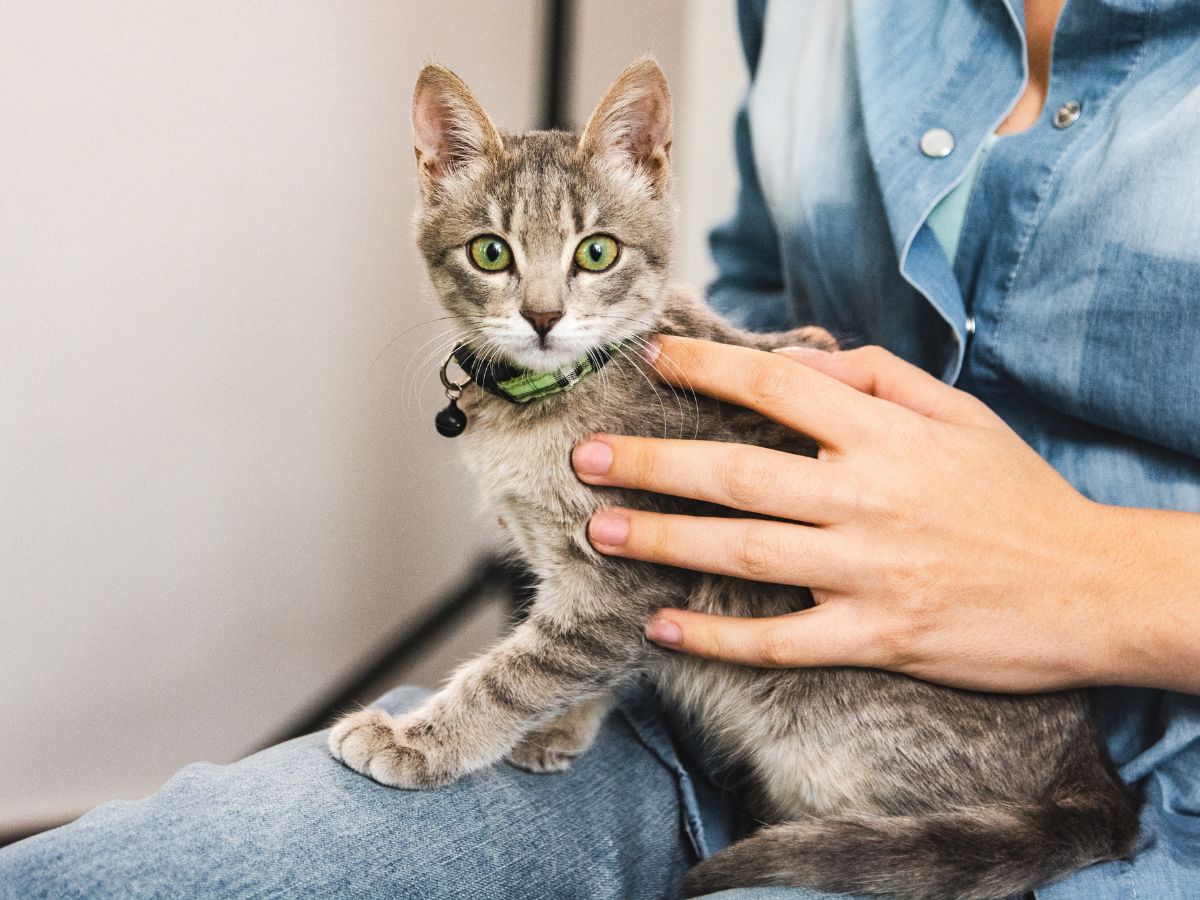
cat sitting on owner's lap

Personalized Assessments and Safe Application

Before tranquillizing or sedating a pet, our team evaluates your pet to determine the most appropriate medication and dosage. This assessment helps us identify any underlying conditions that may affect the use of tranquilizers or sedatives. By tailoring the sedation plan to your pet, we aim to provide the highest level of care while ensuring their safety.

If you believe your pet could benefit from tranquilization or sedation, or if you have questions about the process, please contact Erin Mills Pet Hospital to schedule an assessment or consultation. Together, we can help your pet feel calm and comfortable in challenging situations.

Frequently Asked Questions About Pet Sedation & Tranquilization

What is the difference between pet tranquilization and general anesthesia?
Tranquilization (or sedation) uses mild medications to help your pet feel deeply relaxed, calm, or lightly asleep while remaining easy to rouse. General anesthesia is a deeper state of controlled unconsciousness used for surgical procedures, where your pet is asleep and requires specialized breathing and life-support monitoring.
Is it safe to sedate my pet for grooming, travel, or fireworks?
When prescribed and managed by a licensed veterinarian, sedation protocols are designed to provide the safest possible experience. At Erin Mills Pet Hospital, we perform a thorough health assessment and review your pet’s medical history to customize a medication plan and precise dosage carefully tailored to their specific health and baseline needs.
How long does it take for pet tranquilizers or sedatives to wear off?
Most mild sedatives take anywhere from 2 to 8 hours to wear off, depending on your pet’s size, age, metabolism, and the specific medication used. Our veterinary team in Mississauga will provide you with clear, detailed instructions on what to expect during their recovery at home.
Can I get pet anxiety or sedation medication without an exam?
To ensure your pet’s safety, Ontario veterinary regulations require an active veterinary-client-patient relationship (VCPR) to prescribe medication. We must perform a physical assessment and review your pet’s health history before safely dispensing any sedatives or tranquilizers.
What are the side effects of pet sedation?
The most common side effects are mild drowsiness, temporary wobbliness (unsteadiness on their feet), or slight lethargy as the medication wears off. Our team conducts pre-sedation screening aimed at minimizing discomfort and reducing risks to ensure your pet has a smooth, comfortable experience.