Senior Pet Wellness

Our senior pet wellness program at Erin Mills Pet Hospital helps your pet stay healthy and detect potential issues early. With regular exams and tailored care, we can improve your companion’s quality of life and even extend their longevity.

Senior Pet Wellness in Mississauga, ON

We provide baseline exams and diagnostic testing to monitor your pet’s health as they age. Our goal is to manage symptoms and ensure a comfortable, happy life for your senior pet.

Importance of Senior Pet Wellness

As dogs and cats age, they require more attention and special care. Our senior wellness program helps keep your pet fit and healthy as they grow older, allowing us to catch potential issues earlier when they are easier to treat or manage. Regular veterinary exams are crucial for senior pets, as they can significantly extend your pet’s lifespan.

Diagnosing diseases and conditions early is especially important for senior pets, as risks for arthritis, cancer, diabetes, heart disease, hormone disorders, and kidney and liver problems increase with age. Additionally, dogs and cats may not show symptoms of serious diseases until they are quite advanced. Senior status varies by breed and size, and we can help you determine what stage your pet is in.
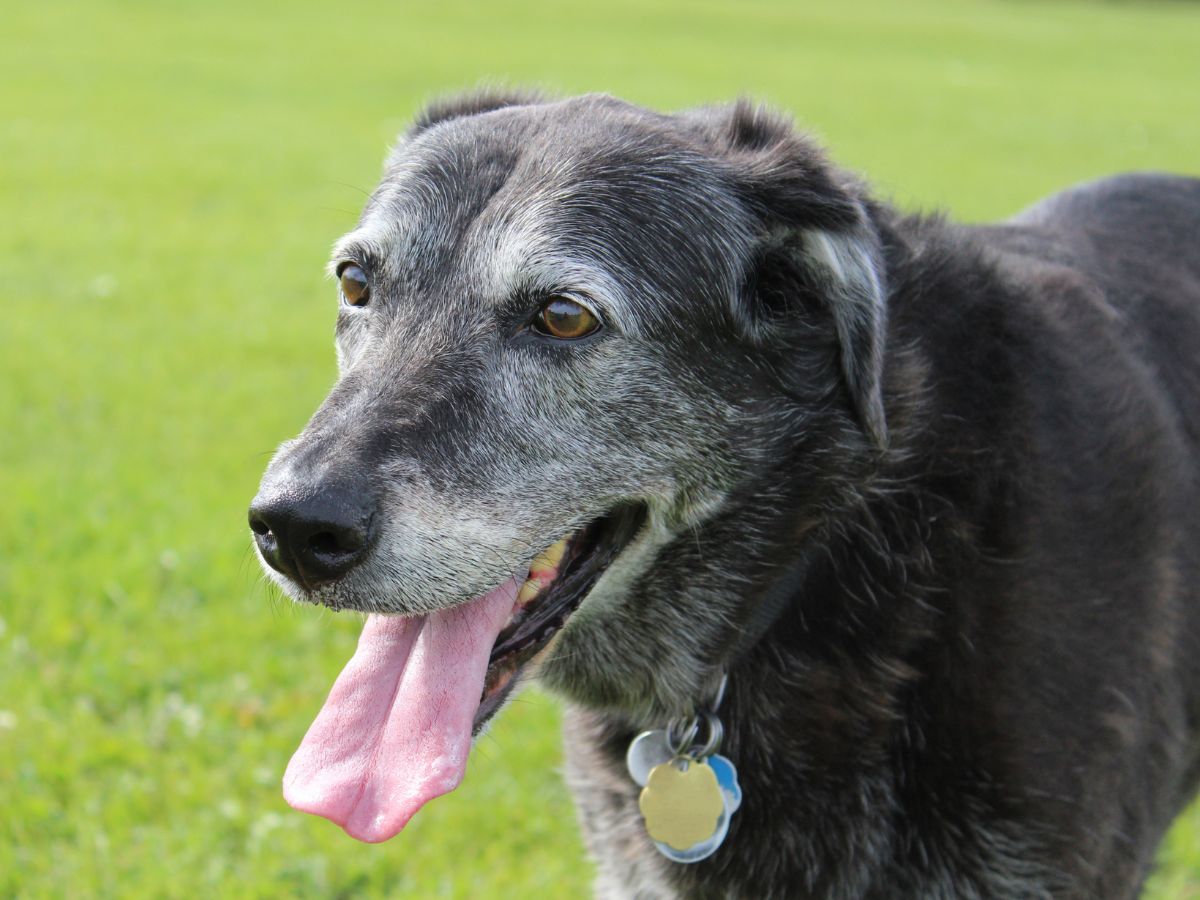
dog with an elongated tongue

Tailored Senior Wellness Care

Before your pet reaches senior status, we recommend a baseline exam and diagnostic workup at around 7 years of age for dogs and 8 years of age for cats. This helps establish a record of what is normal for your pet, allowing us to monitor any changes over time. Senior pets will benefit from more frequent veterinary exams and diagnostic testing.

We treat symptoms commonly associated with aging, including cognitive dysfunction syndrome (similar to Alzheimer’s in humans). By identifying and managing pain, suggesting proper nutrition and exercise, and making environmental modifications, we can improve your pet’s quality of life. We’ll create a personalized senior wellness plan tailored to your pet’s unique needs. Call us today to schedule your pet’s exam!

Frequently Asked Questions About Senior Pet Wellness & Care

At what age is a dog or cat officially considered a "senior" pet?
Senior status depends heavily on your pet’s adult size and breed. On average, cats and small-to-medium dog breeds (under 50 lbs) are considered seniors around 7 or 8 years of age. Large and giant dog breeds (like Golden Retrievers, Mastiffs, or Great Danes) age more rapidly and enter their senior years much earlier, around 5 or 6 years old.
Why do senior pets need to visit the veterinarian twice a year?
Since dogs and cats age significantly faster than humans, missing a vet visit for one year is equivalent to a senior human avoiding a doctor’s checkup for nearly a decade. Bi-annual (twice-yearly) exams allow our Mississauga team to closely track rapid, subtle changes in weight, blood pressure, muscle mass, and organ function, ensuring we catch progressive conditions like kidney failure or early disease timely.
What does a comprehensive senior wellness screening include?
In addition to a comprehensive physical exam where we evaluate joint flexibility, dental health, and age-related eye changes, we recommend an advanced senior diagnostic panel. This includes a complete blood count and chemistry profile to assess kidney, liver, and thyroid function, a urinalysis to check concentrated waste, and digital X-rays to screen for hidden arthritis or internal organ changes.
How can I tell the difference between my older pet "slowing down" and active pain?
“Slowing down” or sleeping more is rarely just a natural consequence of old age—it is almost always a primary symptom of underlying chronic discomfort or osteoarthritis. Senior pet care requires an empathetic yet proactive approach. If your senior pet is hesitating before climbing stairs, struggling to stand up after a nap, limping, or has stopped jumping onto favorite couches or windowsills, they are likely experiencing joint discomfort that can be highly managed with modern veterinary care.
Do pets get dementia, and what are the warning signs?
Yes. Senior dogs and cats can develop Cognitive Dysfunction Syndrome (CDS), which is very similar to Alzheimer’s disease in humans. Common signs include pacing or wandering aimlessly (especially at night), staring blankly at walls, getting trapped in corners, crying or vocalizing for no apparent reason, or experiencing sudden changes in their sleeping habits and interactions with family members.